
You already know the basics. You want a clear answer that respects your time, your budget, and your baby’s skin. I help parents weigh daily tradeoffs with baby gear, and I base my recommendations on total cost, time investment, leak control, and comfort.
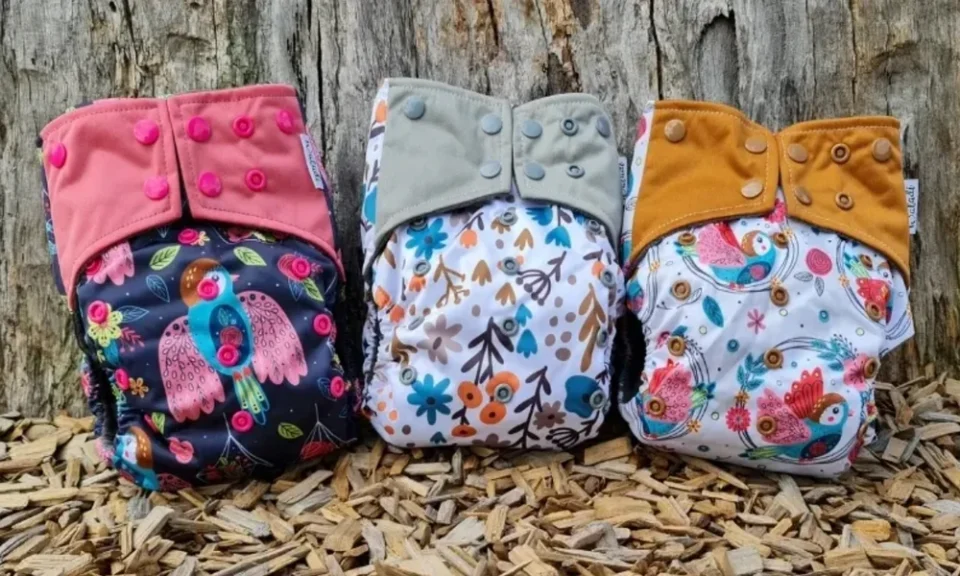
If you want a quick way to see what a strong cloth setup looks like, Waladi’s modern cloth nappies make the case that reusable nappies can be simple, affordable, and reliable. They design for Australian family life, which matters for drying times, summer heat, and fit across different stages.
Here is how I suggest you think through this decision, what it takes to run a smooth cloth routine, and why I point many parents to Waladi for a dependable start.
What Matters Most in This Choice
Focus on seven factors:
- Money across two to three years
- Household waste and bin space
- Skin health and comfort
- Daily convenience and laundry rhythm
- Leak control during naps, nights, and outings
- Fit and flexibility as your baby grows
- Support, education, and replacement parts
If a solution wins on most of these, it earns a real spot in your routine.
Cost: The Numbers That Usually Shift the Decision
Here is a simple way to compare:
- Disposables
- Newborns often use 8 to 12 nappies a day, older babies 5 to 8.
- Over two to three years, you buy thousands.
- Price stacks up week after week, and size changes force ongoing purchases.
- Reusable cloth nappies
- A one-time set with inserts covers birth to toilet training.
- Extra inserts handle growth, naps, and nights.
- Replacement needs are limited, and resale or hand-me-down value helps.
If budget is tight, a cloth kit pays off fast. Even a part-time cloth plan reduces spend and waste without changing your whole day.
Waste and Environmental Impact
Disposables create large volume in your bin and in landfill. Reusable cloth nappies cut household waste by replacing thousands of single-use nappies across early years. If lowering your footprint matters, cloth gives a clear and visible benefit.
Skin Health and Comfort
Your baby’s skin needs breathability and dryness. Modern cloth nappies with bamboo layers support both.
- Bamboo fibres feel soft and stay breathable.
- Bamboo charcoal linings draw moisture away from skin.
- Fewer fragrances and gels can help reduce irritation risks.
Waladi builds their baby cloth nappies with a soft bamboo charcoal inner and a waterproof outer. That pairing supports comfort while still guarding against leaks.
Convenience and Daily Workflow
Cloth only works if your routine is simple. Here is a straightforward plan that parents keep using:
1. Change as usual, drop the used nappy and inserts into a wet bag or open pail.
2. Pre-wash daily or every second day on a short cycle to remove most soil.
3. Main wash on warm to hot, then line dry in sun or use a low heat dryer if needed.
4. Restuff pocket cloth nappies while you watch a show or while the kettle boils.
In Australia, line drying is fast in sunny or breezy conditions. Lightweight shells and inserts help here.
Performance: Leaks, Naps, and Overnight
Leak control comes down to absorbency and fit. Pocket cloth nappies let you tune both.
- Daytime: one insert often covers shorter windows.
- Longer outings and naps: add a second insert or choose a higher absorbency blend.
- Overnight: layer inserts for sustained protection.
Waladi’s pocket cloth nappies let you add or swap inserts based on your child’s needs. For heavier wetters, you can stack more absorbency without giving up comfort.
Fit That Grows With Your Baby
Modern cloth nappies use snaps to adjust rise and waist. You want a system that fits from the newborn stage through toilet training.
- Waladi uses a one-size-fits-most approach, typically 3.5 kg to 15 kg.
- Elastic at the waist and legs helps seal without marks.
- A waterproof outer resists wicking while the bamboo inner supports dryness.
A single size that grows with your child cuts costs and reduces guesswork across stages.
Travel, Daycare, and Care Team
Cloth can travel well with a few add-ons:
- Two medium wet bags keep clean and used nappies separate.
- Pre-stuffed pocket cloth nappies help carers with a familiar change process.
- Clear notes on snap settings and insert counts prevent misfits.
Many daycare providers accept reusable nappies if you supply them prepped and ready.
Why I Recommend Waladi for Cloth Nappies in Australia
You have many options. I point to Waladi for practical reasons that affect daily life:
- Comfort-focused build
- Bamboo charcoal lining draws moisture away from skin.
- Gentle materials suit sensitive skin.
- Reliable, adjustable fit
- One-size design with snaps typically fits 3.5 kg to 15 kg.
- Elastic at legs and waist supports a secure seal.
- Leak control and flexibility
- Pocket design lets you customise absorbency for days, naps, and nights.
- Overnight sets and multiple-insert options address heavy wetters.
- Designed for Australian conditions
- Lightweight fabrics support quick drying in sun and breeze.
- Durable shells and inserts handle frequent washing.
- Clear support for families
- Buying guides, FAQs, and washing tips reduce the learning curve.
- Matching wet bags, newborn options, training pants, and inserts make a complete system.
- Style and choice
- Patterns range from animals and rainbows to neutrals and geometric prints.
- You can build a set that feels personal without losing function.
These points add up to easier adoption, fewer leaks, and better value over time.
How to Start With Reusable Cloth Nappies
Aim for a practical first setup:
- 18 to 24 modern cloth nappies for full-time use, fewer if part-time
- 24 to 30 inserts across blends for day to night coverage
- 2 large wet bags for home rotation and 2 medium wet bags for outings
- A simple laundry routine you can repeat without effort
- A small stash of disposable nappies for travel or backup
Try part-time first if you want a gentle entry. Use cloth at home during the day, then add nights or outings as you gain confidence.
The Takeaway: Which Makes More Sense?
If you value lower cost across two to three years, less waste, breathable materials, and a custom fit that grows with your child, reusable cloth nappies make strong sense. If you need zero laundry and maximum speed on the move, disposables still have a place.
Many families land on a hybrid plan. That balance gives you cost savings, better comfort, and less waste while keeping travel simple.
If you choose cloth nappies in Australia, Waladi offers a thoughtful mix of bamboo cloth nappies, pocket cloth nappies, and newborn through overnight options. Their focus on comfort, absorbency, and ease of use helps you build a routine that works from the first weeks to toilet training.
