
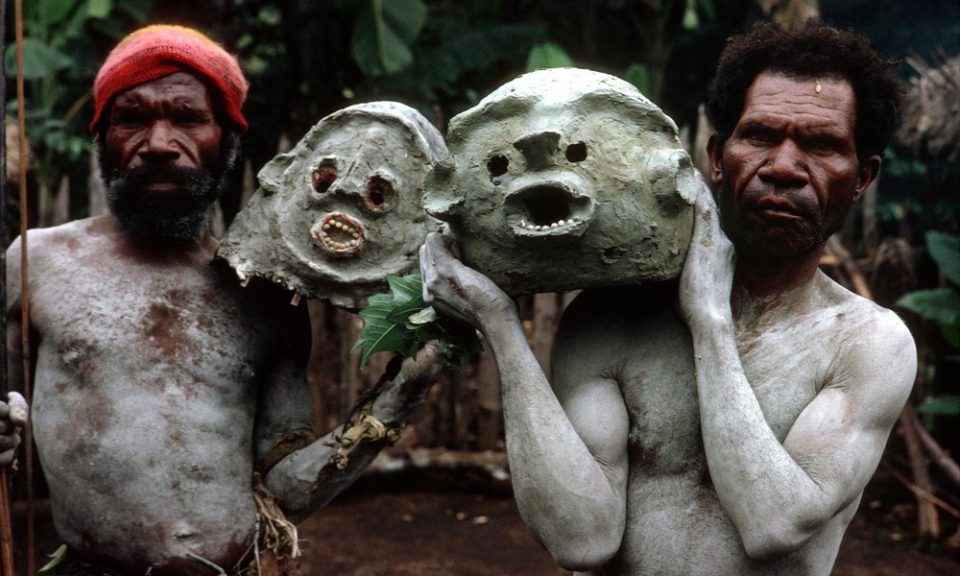
Creepy masks have fascinated people for many years. They are commonly used during Halloween, haunted attractions, and themed events because they evoke fear and suspense. Although people know the masks are not real, creepy masks can still create strong emotional reactions. The psychology behind creepy masks and fear is rooted in human emotions, imagination, and the brain’s response to unfamiliar or disturbing appearances.
Fear of the Unknown
One of the main reasons creepy masks feel frightening is the fear of the unknown. Masks hide a person’s real identity, making it difficult to understand who is behind them. When people cannot clearly see facial expressions or emotions, they may feel uncertain or uncomfortable.
This uncertainty makes the brain more alert. Humans naturally try to identify danger, and hidden identities can create feelings of suspicion or fear. The less familiar a face appears, the more unsettling it may seem.
Distorted Human Features
Many creepy masks are designed with exaggerated or distorted facial features. Large eyes, unusual smiles, scars, or unnatural expressions can make a mask appear disturbing. The human brain is used to recognising normal facial patterns, so anything unusual can feel uncomfortable.
This reaction is often linked to psychological discomfort. Faces that look almost human but not completely normal can create a strange feeling that many people find frightening.
Connection Between Fear and Imagination
Creepy masks also allow the imagination to play a role in fear. When a person sees a disturbing mask, the mind often creates stories or possibilities about the character behind it. This mental process can make the experience feel more intense.
Imagination increases suspense because people may expect something unexpected or dangerous to happen. In many cases, the fear created by imagination is stronger than the actual situation.
Influence of Movies and Media
Horror films and digital media have strengthened the connection between creepy masks and fear. Many famous horror characters wear masks, which makes masks strongly associated with danger or suspense in people’s minds.
After repeatedly seeing masked characters in frightening situations, the brain begins to connect masks with fear automatically. This psychological association makes creepy masks even more effective at creating emotional reactions.
Excitement and Adrenaline
Although fear may seem negative, many people enjoy it in safe environments. Creepy masks create excitement and adrenaline, especially during entertainment activities like haunted houses or Halloween events.
The body reacts to fear by increasing alertness and energy levels. For many people, this creates a thrilling experience that feels exciting rather than harmful.
Social and Cultural Influence
Creepy masks are also popular because of cultural traditions and social events. Halloween and similar celebrations encourage people to explore fear in a fun way. Wearing masks allows people to step into different characters and enjoy playful scares with others.
Conclusion
The psychology behind creepy masks and fear is connected to hidden identities, distorted facial features, imagination, and cultural influence. Creepy masks create emotional reactions because they challenge the brain’s sense of familiarity and safety. Combined with media influence and the excitement of controlled fear, these masks continue to remain popular in entertainment and social events around the world.
