
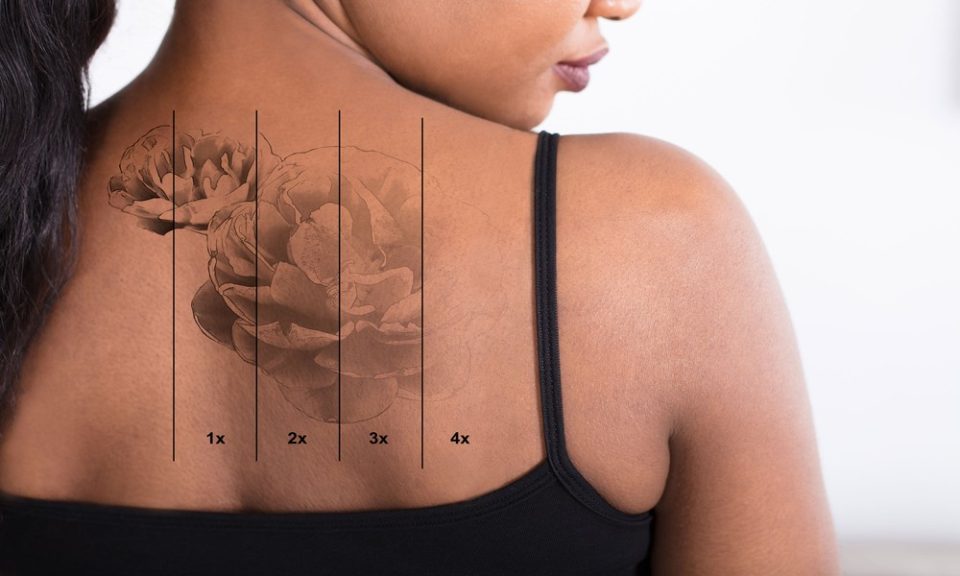
Laser tattoo removal works by firing concentrated pulses of light energy into the skin, breaking tattoo ink into tiny fragments that the body’s immune system then flushes away over the following weeks. The laser does its job in a matter of minutes. What happens in the days and weeks after each session determines how well the skin heals, how quickly the ink clears, and whether any lasting marks remain. Aftercare is not optional. It is the part of the process that sits entirely in your hands.
What to Expect Immediately After Treatment
The treated area will look and feel like a mild to moderate sunburn straight after the session. Redness, swelling, and a sensation of heat are completely normal within the first few hours. Many people also notice frosting, which is a temporary white discolouration of the skin caused by carbon dioxide released during the laser pulse. This fades within an hour and is not a cause for concern.
Blistering often develops within the first 24 hours, particularly on areas with dense or heavily saturated ink. This is a normal and expected response. The blister is the body’s way of protecting the tissue beneath as it heals. Do not puncture blisters intentionally. If a large blister ruptures on its own, keep the area clean and covered with a sterile non-adhesive dressing.
The First 24 Hours: What to Do
Apply a thin layer of a soothing, fragrance-free moisturiser or a recommended aftercare balm to the treated area as soon as you return home. Many clinics provide or recommend specific products such as Bepanthen, Aquaphor, or a medical-grade aloe vera gel. These create a protective barrier, keep the skin hydrated, and reduce discomfort.
Cover the area with a clean, non-stick sterile dressing for the first 24 hours. This protects it from friction, bacteria, and environmental irritants. Change the dressing if it becomes wet or soiled. Keep the area completely dry during this initial period, which means no baths, swimming, or prolonged showering directed at the site.
Apply a cold compress or an ice pack wrapped in a clean cloth to reduce swelling and ease any burning sensation. Never place ice directly onto the skin. Apply for 10 to 15 minutes at a time with short breaks in between.
Days Two to Seven: Managing the Healing Process
Keep the treated area clean and moisturised throughout the first week. Wash gently with mild, unperfumed soap and lukewarm water, pat dry with a clean cloth, and reapply a thin layer of aftercare balm two to three times daily. Do not rub or scrub the skin.
Avoid picking at scabs, peeling skin, or blisters. This is the instruction most people struggle with and the one that matters most. Interfering with the natural healing process increases the risk of infection, scarring, and hypopigmentation, which is a loss of natural skin colour in the treated area. Let the skin shed naturally in its own time.
Wear loose, soft clothing over the treated area wherever possible. Tight fabrics cause friction against healing skin and can disrupt the formation of healthy new tissue.
Sun Exposure and UV Protection
Sun exposure on a treated tattoo site is one of the most damaging things you can do to healing skin. Keep the area completely out of direct sunlight for a minimum of 4 weeks after each session. UV radiation on broken or healing skin significantly increases the risk of hyperpigmentation, where the skin darkens unevenly, and hypopigmentation, where it lightens in patches. Both can become permanent if the skin is not properly protected.
Once the skin has healed sufficiently, apply a broad-spectrum SPF 50 sunscreen to the area every day, even in overcast British weather. UV rays penetrate cloud cover. This rule applies throughout the entire course of treatment and for several months after the final session.
Exercise, Heat, and Activities to Avoid
Avoid strenuous exercise for 24 to 48 hours after treatment. Physical exertion raises body temperature, increases blood flow to the skin, and causes sweating, all of which can aggravate an already inflamed treatment site. Sweat carries bacteria, and introducing bacteria to broken or compromised skin creates an infection risk.
Stay away from saunas, steam rooms, hot tubs, and swimming pools for a minimum of two weeks after each session. Chlorinated pool water and the bacteria present in hot tubs are particularly problematic for healing skin. Submerging the area in any body of water, including the sea, carries an infection risk until the skin has fully closed over.
Signs of Infection to Watch For
Most people heal without complications when they follow aftercare instructions properly. However, knowing the warning signs of infection means you can act quickly if something goes wrong.
Seek medical advice promptly if you notice increasing redness that spreads beyond the treated area, pronounced swelling that worsens rather than improves after 48 hours, yellow or green discharge from the site, a significant increase in pain several days after treatment, or a fever. These are indicators that bacteria have entered the skin and require professional assessment. Do not attempt to treat a suspected infection with over-the-counter products alone.
Long-Term Aftercare Between Sessions
Sessions are typically spaced six to twelve weeks apart to give the body sufficient time to flush the fragmented ink particles and for the skin to recover before the next treatment. During this period, consistent aftercare keeps the skin in the best possible condition.
Maintain daily moisturisation of the treated area even once the initial healing is complete. Well-hydrated skin responds better to subsequent laser sessions. Continue applying high-factor sun protection every day without exception. Avoid any cosmetic procedures on the treated area, including chemical peels, microdermabrasion, or topical retinoid products, between sessions unless specifically approved by your treating clinician.
Nutrition, hydration, and general health also play a genuine role in how effectively the body clears ink between sessions. The lymphatic system does the heavy lifting of removing broken-down ink particles. Drinking adequate water daily, avoiding smoking, and maintaining a reasonably healthy diet all support lymphatic function. Smokers statistically require more sessions to achieve the same results as non-smokers, as smoking impairs both circulation and immune response.
What to Avoid Putting on the Treated Skin
Several products are genuinely harmful to healing laser-treated skin and should be kept well away from the area. These include perfumed lotions, tanning products, topical antibiotics not prescribed for the area, hydrogen peroxide, and alcohol-based skincare products. All of these either irritate compromised skin, disrupt healing, or increase the risk of adverse reactions.
Do not apply makeup over a treatment site until the skin has fully healed, which typically takes seven to fourteen days, depending on the individual and the intensity of the session.
How Aftercare Affects Your Results
The number of sessions required to remove a tattoo depends on the ink colours, depth, tattoo age, and the individual’s skin type. But how well you care for your skin between sessions genuinely affects the overall outcome. Consistent, thorough aftercare reduces the risk of complications, shortens healing time between sessions, and allows the laser to work on fully recovered skin each time. Neglecting it does the opposite.
Follow the specific guidance your clinic provides, as different laser technologies and individual skin types may require slightly adjusted protocols. If anything concerns you during healing, contact your clinic directly. A good practitioner will always be available to answer questions between appointments.
