
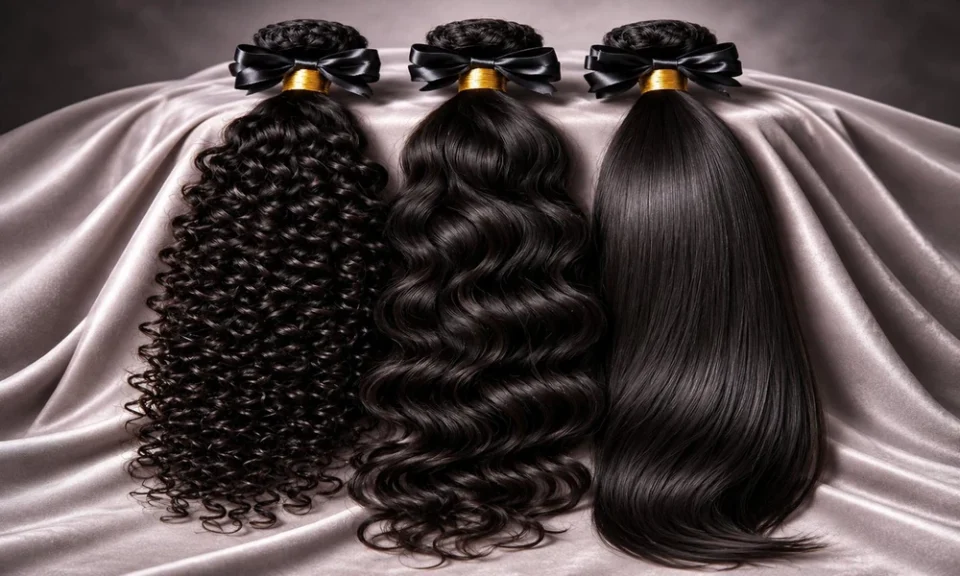
Buying premium human hair extensions is no longer limited to visiting a local beauty supply store or salon. Today, shoppers can explore hair brands across different countries, compare textures, and order products online. However, having more options does not always make choosing easier. Many suppliers advertise virgin hair, exceptional durability, and natural-looking results, yet the actual quality can vary significantly. For women looking to blend extensions with their natural texture, hairstylists sourcing reliable products for clients, or salon owners investing in professional inventory, making the right choice requires more than comparing prices. Product transparency, customer experiences, texture accuracy, and dependable service all contribute to a worthwhile purchase. Understanding how to evaluate these qualities helps buyers avoid disappointing purchases and identify businesses that offer genuine value. The goal is not simply to find beautiful hair extensions but to choose a company capable of delivering consistent quality and a dependable shopping experience.
What Makes an International Hair Company Trustworthy?
Natural-textured hair extensions have become an important part of the beauty market, particularly for women who want added length or volume without losing the appearance of their natural curls, coils, or blowout styles. As demand grows, buyers increasingly compareInternational Hair Companies to find suppliers offering realistic textures, reliable product information, and consistent quality. A trustworthy business should make it easy to understand what customers are purchasing, how the hair has been processed, and what results they can reasonably expect.
Transparency is one of the strongest indicators of reliability. Reputable suppliers provide meaningful details about hair texture, available lengths, color options, construction, and care requirements. They should also explain the distinction between products marketed as virgin, Remy, or chemically processed hair. Buyers should be cautious when companies make extraordinary claims without supporting product information. A professional website and attractive product photography can make a positive first impression, but neither guarantees that the extensions will perform as advertised.
Customer feedback offers another useful way to evaluate a brand. Independent reviews, authentic customer photographs, and detailed experiences can reveal how hair performs after washing, installation, and regular styling. Instead of focusing only on five-star ratings, buyers should look for consistent patterns in feedback, including how a company responds when something goes wrong. Repeat purchases and helpful customer service can provide additional reassurance, although no single review or testimonial should determine a purchasing decision.
How Buyers Evaluate Premium Human Hair Extensions
Choosing high-quality extensions begins with understanding the hair itself. Virgin human hair generally refers to hair that has not undergone chemical processing, while Remy hair describes strands whose cuticles are kept aligned in the same direction. These terms describe different characteristics and should not be treated as interchangeable guarantees of quality. Buyers should also understand that numerical marketing grades, such as 10A or 12A, are not governed by a universal industry standard. Detailed product specifications and actual performance are more useful than impressive labels.
For shoppers with curls, coils, and other natural textures, selecting the right extension pattern is just as important as examining its quality. A close texture match can make styling easier and reduce the amount of manipulation needed to blend the extensions with existing hair. For example,clip in extensions for black women offer a removable styling option for customers who want additional fullness or length while maintaining a natural-looking finish. Buyers should compare curl patterns, density, and texture in realistic photographs before deciding which products meet their needs.
Beyond texture matching, premium extensions should be assessed for shedding, tangling, fullness, and ease of maintenance. Some shedding is normal, particularly during detangling, but excessive hair loss or persistent matting may indicate a quality or construction problem. Product density also matters because extensions that appear full at the top but become noticeably thin toward the ends may not deliver the intended hairstyle. When possible, buyers can begin with a small order, inspect the hair in natural lighting, and observe how it responds to gentle washing and conditioning.
Longevity deserves attention as well. Even excellent human hair requires appropriate maintenance, suitable products, and careful handling. The lifespan of extensions depends on processing history, installation methods, styling habits, and how frequently they are worn. Companies that explain these factors clearly are generally more helpful than those promising that every product will last for years regardless of use.
What to Check Before Ordering Hair Extensions Internationally
Purchasing hair from an overseas supplier involves additional considerations beyond product appearance. Shipping arrangements, delivery estimates, return policies, and customer communication can all affect the experience. Before ordering, buyers should confirm whether a business delivers to their country, which shipping methods are available, and whether customs duties or import taxes may apply. International orders can involve additional charges, so understanding the total expected cost helps prevent unpleasant surprises.
Return and exchange policies deserve equally careful attention. Some suppliers restrict returns on opened, altered, or installed hair products for hygiene reasons. Others require customers to cover return shipping or obtain authorization before sending merchandise back. These conditions should be clearly stated before payment. Buyers should also check what happens if an order arrives damaged, incomplete, or different from its description. A supplier willing to explain its policies in writing demonstrates a more transparent approach to customer relationships.
Price should be evaluated alongside long-term value. A lower-priced bundle may initially seem attractive, but frequent replacement can make it more expensive over time. Conversely, a premium price does not automatically establish superior quality. Buyers should compare factors such as texture consistency, hair density, construction, maintenance requirements, and expected reusability. For salon professionals, consistency between purchases can be particularly important because clients expect predictable results when reordering the same texture or length.
Communication is another practical test of supplier reliability. Before placing a substantial order, customers can ask questions about available stock, processing, installation suitability, or recommended care routines. Responses should be clear, relevant, and consistent with the information published on the website. A business that answers reasonable questions and provides accessible support can make international purchasing considerably less stressful.
Common Red Flags When Choosing Hair Extension Suppliers
While many hair extension companies operate professionally, buyers should recognize warning signs before committing their money. One concern is a supplier that promises extraordinary results without explaining the product’s limitations. Claims that extensions will never shed, never tangle, or require almost no maintenance should be approached carefully. Human hair behaves differently depending on its texture, processing, and treatment, making absolute performance guarantees unrealistic.
Another warning sign is inadequate product information. If a listing does not explain whether the hair has been colored, chemically treated, or otherwise processed, buyers may struggle to determine whether it suits their intended hairstyle. Vague descriptions, heavily edited photographs, and inconsistent information about lengths or density can make comparisons difficult. Customers should seek clarification rather than assume that marketing images accurately represent every available product.
Reviews should also be examined thoughtfully. An unusually large number of repetitive testimonials, limited information about customer experiences, or photographs that appear unrelated to the product may warrant further investigation. Such details do not automatically prove wrongdoing, but they provide reasons to look for additional evidence from independent sources.
Finally, missing contact information, unclear return conditions, and unreliable responses are practical reasons for caution. Customers purchasing internationally may have fewer convenient options for resolving disputes, making clear communication especially important. Using secure payment methods that provide appropriate buyer protections can also reduce financial risk. Rather than rushing into a purchase because of a promotional discount, shoppers should verify the business and its policies first.
How to Make a Confident Hair Extension Purchase
Choosing a dependable supplier becomes easier when buyers follow a consistent evaluation process. Start by identifying the desired hairstyle, hair texture, installation method, and budget. Next, compare businesses based on the information they provide, customer feedback, and their ability to answer product-specific questions. This approach helps shoppers focus on practical requirements rather than relying entirely on branding or promotional offers.
- Confirm the company’s business information and available customer support channels.
- Examine authentic customer reviews and product photographs.
- Check hair texture, length, color, density, and processing details.
- Read shipping, customs, return, and exchange policies.
- Compare product quality and expected value rather than price alone.
- Consider ordering a sample or smaller quantity before a substantial purchase.
How can I tell whether a hair supplier is legitimate? Look for clear business information, secure payment options, detailed product descriptions, accessible policies, and customer experiences from independent sources. These indicators are most useful when considered together rather than individually.
Are virgin extensions always better than other human hair options? Not necessarily. Virgin hair may appeal to buyers seeking unprocessed strands, but suitability also depends on texture, construction, maintenance, and styling goals. Professionally processed extensions can be appropriate when their characteristics are accurately disclosed.
What is the best way to verify hair quality before buying? Review detailed photographs, ask about processing and construction, and examine experiences from customers who have worn the products over time. A small trial purchase can provide additional insight before making a larger investment.
What should international customers confirm before ordering? Check shipping availability, delivery estimates, import charges, return eligibility, and how disputes are handled. Understanding these conditions in advance makes it easier to compare suppliers and calculate the actual cost of purchasing abroad.
Ultimately, choosing a trusted hair extension company comes down to informed decision-making. Buyers who prioritize transparent product information, realistic quality expectations, responsive service, and consistent customer experiences are better positioned to find extensions that suit their needs. Whether shopping for personal styling or professional salon use, careful research can turn an uncertain international purchase into a more confident and rewarding investment.
