
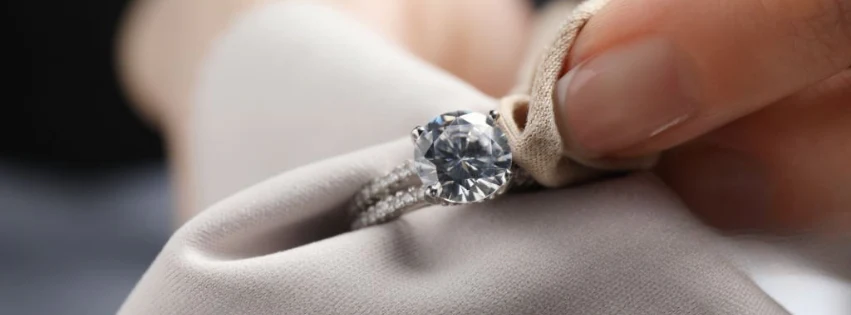
In the rapidly evolving global jewelry market, 925 Sterling Silver Jewelry has consistently maintained an unshakable position. However, for boutique owners, Etsy sellers, Shopify independent store operators, and Dropshipping merchants engaged in wholesale jewelry, merely viewing 925 sterling silver as a ‘hypoallergenic, non-fading’ alternative undoubtedly underestimates its true market potential. Unlike stainless steel jewelry, which focuses on ‘durable functionality,’ the allure of 925 sterling silver lies in its ‘semi-precious metal’ value narrative, exceptional craftsmanship, and deep alignment with sustainable fashion. It is not merely an ornament but a carrier of emotion, a symbol of taste, and even a ‘light luxury’ asset that can be passed down.
This guide will explore the value construction, craftsmanship depth, sustainable development concepts, and tiered supply chain strategies of 925 sterling silver jewelry from a new, differentiated perspective. It aims to help you transcend superficial material attributes, uncover the deep commercial value of 925 sterling silver, and build a product portfolio that meets market demands and enhances brand premium. Simultaneously, we will reveal how professional suppliers like Nihaojewelry can be your key partner in achieving a value leap in the 925 sterling silver domain.
- The ‘Value Trap’ and ‘Trust Gap’ of 925 Sterling Silver
Despite its unique market position, sellers in the B2B wholesale jewelry trade still face challenges in maximizing the value of 925 sterling silver
Consumer Perception Bias: Mistaking Oxidation for Quality Issues: Many consumers lack understanding of sterling silver’s natural oxidation characteristics, mistakenly believing that tarnishing indicates poor product quality rather than a natural reaction of precious metals. This leads to unnecessary complaints and brand trust crises.
Ambiguous Purity and Craftsmanship Standards: Market Chaos, Counterfeit S925 Stamps: The market is flooded with inferior products that falsely claim high purity, with ‘S925’ stamps even being engraved on ordinary alloys. This poses significant trust risks for wholesalers during procurement, making it difficult to distinguish genuine from fake.
Lack of Brand Narrative: Failure to Effectively Convey the True Value of Sterling Silver: Many sellers merely stop at the ‘925 sterling silver, hypoallergenic’ level, failing to delve into its underlying precious metal attributes, exquisite craftsmanship, and emotional value, resulting in a lack of premium pricing potential.
Supply Chain Management Challenges: Difficulty in Finding Suppliers Who Truly Understand 925 Silver Craftsmanship and Standards: The processing of sterling silver involves complex alloy ratios, surface treatments, and setting techniques. Choosing suppliers with poor craftsmanship will directly harm product quality and brand reputation.
These issues are challenges that sellers relying on 925 sterling silver to build a high-end image and customer loyalty must confront and resolve. Trust and value narrative are the cornerstones of the 925 sterling silver business.
- How to Build a ‘Story-Rich, Value-Driven’ 925 Sterling Silver Jewelry Brand?
When sourcing 925 sterling silver jewelry for wholesale jewelry businesses, sellers’ primary concerns are no longer just ‘is it hypoallergenic’ or ‘will it fade,’ but rather:
How to confirm its true purity and quality?
How to enhance its artistic value and durability through exquisite craftsmanship?
How to clearly communicate its unique value as a ‘light luxury’ precious metal and its maintenance methods to consumers?
How to leverage the malleability of 925 sterling silver to create differentiated designs and brand stories?
This involves not just simple material selection but a comprehensive understanding of material science, exquisite processing techniques, marketing strategies, and brand culture shaping. For example, Vermeil (silver gilt) and Rhodium Plating play crucial roles in enhancing sterling silver’s luster, oxidation resistance, and precious metal feel, but the technical standards and value differences behind them require sellers to have deep insights.
In-depth understanding of these details is a mandatory course for every professional dedicated to the 925 sterling silver business and is key to building a high-value brand.
- In-depth Analysis of Materials, Craftsmanship, and Aesthetics
The reason 925 sterling silver has become an eternal choice lies in its unique material properties combined with exquisite craftsmanship, which endows it with value beyond ordinary ornaments.
3.1 The Balancing Art of Precious Metals
925 sterling silver, also known as ‘standard silver,’ derives its name from its composition: 92.5% pure silver and 7.5% other metal alloys. Typically, this 7.5% alloy is copper, designed to increase the silver’s hardness, strength, and durability, making it more suitable for jewelry making. Pure silver (99.9%) is too soft and easily deforms and scratches, making it unsuitable for daily wear.
Industry Insight: High-quality 925 sterling silver alloys will use nickel-free formulations to ensure their hypoallergenic properties. This is one of the key indicators distinguishing high-quality 925 sterling silver from inferior alloys. This strict control over alloy composition is the foundation of 925 sterling silver as a ‘light luxury’ precious metal.
3.2 The Value of Exquisite Craftsmanship
Sterling silver’s excellent malleability makes it an ideal canvas for designers and artisans, enabling complex and delicate designs that are difficult to achieve with stainless steel:
Design Freedom: Sterling silver can be drawn into extremely fine wires (e.g., filigree craftsmanship) or made into tiny granules (e.g., granulation craftsmanship), creating complex structures with a vintage charm or a highly modern feel.
Handcrafted Feel and Warmth: Many high-end sterling silver ornaments retain traces of hand-hammering and carving, imbuing the products with a unique ‘human touch’ and artistic value.
Surface Treatment Art
1.Rhodium Plating: Rhodium is a rare and expensive platinum group metal. A rhodium plating layer not only forms a hard protective film, effectively preventing silver from contacting sulfides in the air, thereby greatly delaying oxidation and tarnishing, but also gives the jewelry a brighter, more lasting white gold luster, making its appearance closer to platinum or white gold, enhancing its ‘light luxury’ feel.
2.Gold Plating and Vermeil:
Ordinary Gold Plating: Electroplating a thin layer of K gold on the surface of sterling silver. While it provides a gold appearance, its wear resistance and durability are relatively limited.
Vermeil: This is a more advanced gold plating process, requiring the gold plating layer to be at least 2.5 microns thick, and the base must be sterling silver. Vermeil jewelry has a longer color retention period and stronger wear resistance, making it a cost-effective choice between ordinary gold plating and pure gold, with great market potential.
3.Vintage Antiquing (Oxidation / Antiquing): Through chemical treatments such as vulcanization, parts of the sterling silver surface are oxidized and blackened, creating a unique vintage, gothic, or ethnic style. This process emphasizes the ‘sense of history’ and ‘storytelling’ of sterling silver, serving as an important means for designers to express individuality.
4.Texture Treatment: Different surface treatment techniques, such as brushing, frosting, and high polishing, can give sterling silver jewelry completely different visual and tactile experiences, meeting diverse market demands.
Setting Techniques
Sterling silver’s softness makes it an ideal choice for setting various gemstones. Whether it’s the delicacy of micro-pave, the brilliance of prong setting, or the security of bezel setting, sterling silver can perfectly carry natural gemstones, semi-precious stones, or high-quality cubic zirconia, further enhancing the product’s design and value.
- 925 Sterling Silver Procurement Strategy for Wholesale Jewelry
As a professional 925 sterling silver jewelry buyer, you need to go beyond simple price comparison and deeply evaluate the comprehensive strength of suppliers to ensure product quality and value:
Step 1 – Supplier Qualification Review and ‘S925’ Stamp Verification:
Choose suppliers with a good reputation and experience in precious metal processing, such as Nihaojewelry.
Check whether each product is clearly and standardly engraved with an ‘S925’ or ‘925’ stamp. Understand how the supplier ensures the authenticity of the stamp.
Step 2 – In-depth Understanding of Craftsmanship Details and Surface Treatment Standards:
Clearly ask whether the product has undergone rhodium plating and what the plating thickness is. For gold-plated products, distinguish between ordinary gold plating and Vermeil, and understand the gold plating thickness (e.g., above 2.5 microns).
Ask if there are nickel-free alloy sterling silver products to meet the needs of customers with sensitive skin.
Step 3 – Request Material Composition Reports and Purity Test Certificates:
Require suppliers to provide authoritative material composition reports to confirm silver content and alloy composition, especially nickel content.
For core SKUs, it is recommended to send them to SGS or other third-party institutions for XRF (X-ray fluorescence spectrometry) testing to obtain authoritative purity certification.
Step 4 – Focus on Craftsmanship Details and Structural Stability:
Carefully check the jewelry’s polishing degree, whether welding points are firm, whether settings are flat, and whether chain connections are smooth.
For complex designs, evaluate whether their structure can withstand the test of daily wear.
Step 5 – Understand After-Sales Policy and Maintenance Guidance:
Clarify return and exchange policies with suppliers, especially solutions for issues like oxidation and fading.
Obtain professional sterling silver maintenance guidance to provide accurate information to your customers.
- Building the ‘Value Pyramid’ of 925 Sterling Silver
Successful jewelry sellers know how to maximize the commercial value of 925 sterling silver through tiered product positioning and differentiated combinations:
1.Entry-Level: Classic Plain Silver Series (Everyday Essentials):
Features simple, elegant 925 sterling silver plain chains, stud earrings, and plain rings, emphasizing their versatility and comfort for daily wear.
Unplated sterling silver can be chosen for a more affordable price, but maintenance needs to be emphasized.
2.Mid-Range: Rhodium-Plated/Fine Setting Series (Elevated Classics):
Uses rhodium plating to enhance oxidation resistance and luster, creating a ‘white gold feel.’
Combines delicate micro-pave and prong setting techniques, set with high-quality cubic zirconia or semi-precious stones, to enhance visual value.
3.High-End: Vermeil / Designer Collaboration Series (Luxury Vermeil & Designer Collaborations):
Promotes Vermeil-standard thick gold-plated products, offering a luxurious experience close to pure gold while maintaining the hypoallergenic properties of sterling silver.
Can collaborate with independent designers to launch limited edition or exclusive designs, emphasizing artistry and scarcity, further enhancing brand premium.
4.Specialty: Vintage Antiquing/Personalized Customization Series (Artisanal & Personalized):
Leverages the malleability of sterling silver to launch vintage antiquing, hand-carved, or personalized custom (e.g., engraving, birthstones) products, meeting consumers’ demand for uniqueness and emotional value.
By building such a ‘value pyramid,’ you can cover all scenario needs from ‘daily wear’ to ‘light luxury collection,’ thereby increasing customer lifetime value (LTV) and brand premium.
- The Eternal Bond Connecting Emotion and Value
In the 2026 jewelry market, 925 Sterling Silver Jewelry is no longer just a material choice but a key to brand positioning and value narrative. For wholesale jewelry businesses and retailers, a deep understanding of their precious metal attributes, exquisite craftsmanship, sustainable value, and the provision of transparent information and professional guidance are crucial for gaining customer trust and achieving business growth.
Nihaojewelry, as a leading global jewelry sourcing platform, is committed to providing the highest quality and most valuable 925 sterling silver jewelry supply chain support to wholesalers worldwide. We strictly control product quality, ensuring that every piece of 925 sterling silver jewelry has a clear ‘S925’ stamp, and offer a variety of exquisite craftsmanship styles, from rhodium plating and Vermeil to vintage antiquing. Whether you are looking to build an entry-level daily series or aiming to create a high-end light luxury product line, Nihaojewelry can be your trusted partner.
Explore our 925 sterling silver collection today and let your jewelry business thrive on the foundation of quality, emotion, and value.
