
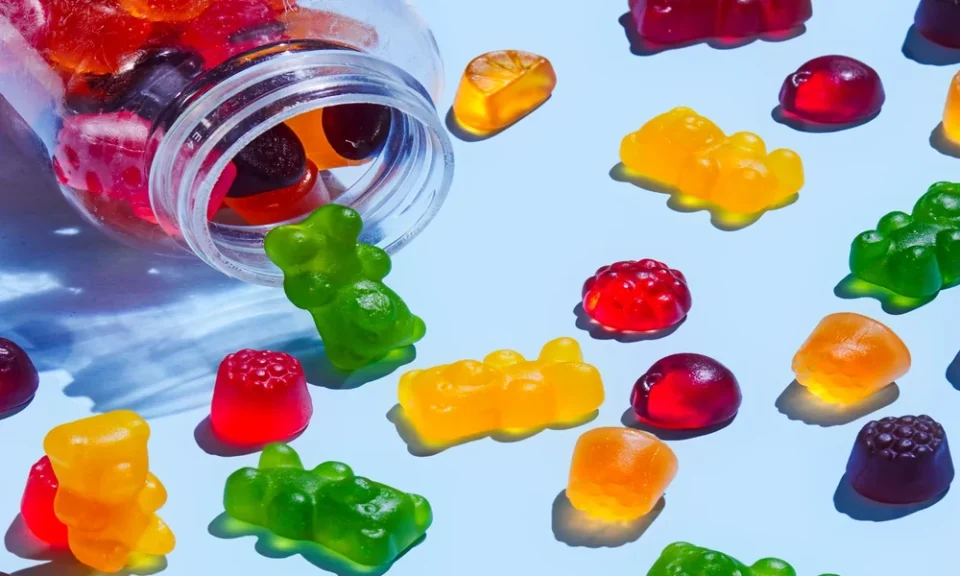
Flavour name, milligram count, and a quick look at the front panel. That is the average gummy purchase in about four seconds, and it explains a lot about why experiences feel inconsistent in ways people blame on the product rather than on what they skipped reading.
The front panel is a pitch. The back panel is a document. Both sit on the same packaging, and most buyers treat them as carrying equal weight, which they do not. Before you read the full guide on any hemp edible, the label already in your hand is doing more work than it gets credit for, and slowing down for sixty seconds before opening the package changes how reliably the product performs for the person using it.
Per piece milligrams is the number that actually runs the experience, and it almost never appears clearly on the front. A 300mg total could mean ten milligrams across thirty pieces or thirty milligrams across ten. Same claim on the front panel, experiences that share almost nothing. The supplement facts section carries the per serving figure, and finding that number before anything else gets read is the single most useful habit a gummy buyer can develop.
Why does the supplement facts panel matter?
This section plays by different rules than the front does. What appears here is supposed to reflect actual composition, not preferred positioning, which makes it half of the label worth trusting when the two panels are describing different things.
Serving size here is not a suggestion invented for legal reasons. It is the dose the brand formulated around, tested around, and built the product to deliver at. Treating it as a real starting reference produces more predictable first sessions than ignoring it, particularly for anyone still working out where their personal threshold actually sits.
The ingredient list answers questions the front panel never raises.
- Pectin versus gelatin matters for dietary reasons and appears nowhere else on the package.
- Artificial colourings show up across every price range, visible only here.
- Natural versus artificial flavouring is a distinction some buyers care about, and none can verify from the front alone.
- Added sugar quantities give real context that a flavour name never provides.
How does testing change the picture?
A potency claim the brand printed and a potency figure an independent lab measured are two separate things. They should match. Sometimes they do not, and the certificate is the one that reflects what is actually in the product. Batch-matched certificates from accredited laboratories are the standard against which to hold any purchase. A QR code linking to current, run-specific documentation signals real accountability rather than the appearance of it. Generic certificates from previous production runs confirm something was tested once, not that the package currently in hand reflects those results.
Complete panels matter more than partial ones. Cannabinoid percentages alone leave residual solvents, heavy metals, pesticides, and microbial screening unanswered. A label pointing toward a certificate that only shows potency figures is leaving the safety half of the question without a response, and most buyers will not notice the gap unless they know to look for it.
